πŸ› Pine Sawfly

Neodiprion sertifer / Diprion pini Β· Hymenoptera: Diprionidae

Pine sawfly larvae look exactly like caterpillars but are actually wasp relatives. This matters because Bt insecticide β€” so effective for caterpillars β€” doesn't work on sawflies.

SawflyTree PestHymenopteraPineDefoliatorNot a Caterpillar
πŸ›
Risk Level
Tree Pest
πŸ”¬
PestControlBasics Editorial Team
Reviewed by Derek Giordano Β· Updated 2026
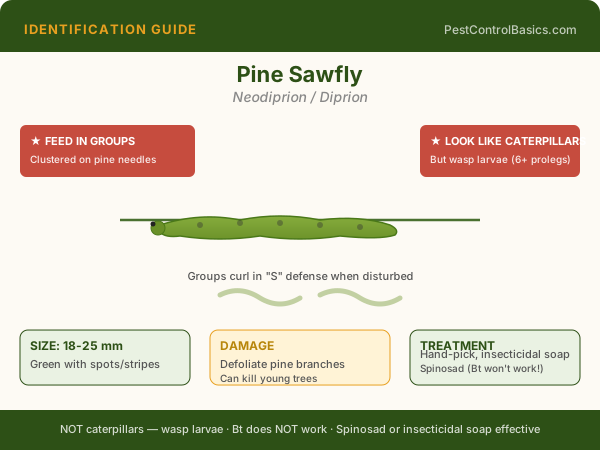
Pine Sawfly identification guide illustration

Illustrated identification guide β€” PestControlBasics.com

πŸ” Identification

Larvae: 25-30mm; green with white stripes; feed in groups along pine needles; when disturbed, rear up in unison (a defensive posture). Adult: small, wasp-like female with saw-like ovipositor for slicing pine needles to lay eggs. Multiple species attack different pine species.

🧬 Biology & Behavior

Sawflies are Hymenoptera (wasp relatives), not Lepidoptera. Their larvae closely resemble caterpillars but have more than 5 pairs of prolegs (fake legs) β€” lepidopteran caterpillars have 5 or fewer pairs. This biological difference means Bt kurstaki, which targets lepidopteran caterpillars specifically, doesn't affect sawfly larvae.

⚠️ Damage & Health Risk

Defoliation of pine trees β€” can cause significant dieback in severe years, especially to young trees. Multiple generations per year.

πŸ”§ DIY Treatment

Spinosad spray (effective against sawfly larvae unlike Bt). Pyrethroid spray. Manual removal by spraying groups with water (they'll fall off) and crushing. Natural enemy conservation (many parasitic wasps attack sawfly egg masses).

πŸ‘· When to Call a Pro

For large trees, professional pyrethroid spray application or trunk injection provides more thorough coverage.

❓ FAQ

Why doesn't Bt work on pine sawflies?
Bt kurstaki targets only lepidopteran (moth and butterfly) caterpillars. Pine sawflies are Hymenoptera (wasp relatives) β€” a completely different insect order. Spinosad and pyrethroids are effective alternatives.
How do I tell a sawfly larva from a caterpillar?
Sawfly larvae: 6+ pairs of prolegs (fake legs) along the abdomen. Caterpillars: 5 or fewer prolegs. The count requires close observation but is definitive. Sawfly larvae also often feed in groups and have the characteristic defensive rearing posture when disturbed.

πŸ—ΊοΈ Geographic Range & Distribution

FactorDetails
U.S. RangeAll or most U.S. states
Regional DetailDistribution varies β€” consult your local extension service for regional prevalence data.

πŸ“… Treatment Timing Guide

Treating at the right time dramatically improves results. Pest control timed to the life cycle uses less product and achieves better long-term control.

PeriodAction
SpringInspection and perimeter treatment before pest season starts.
SummerActive monitoring and targeted treatments as needed.
FallPreventive treatment before overwintering pests seek entry.

πŸ’° Professional Treatment Costs

Service TypeDIY CostProfessional Cost
Initial inspectionFree (self-inspect)$75–$150 (often credited to treatment)
One-time treatment$30–$100 in materials$150–$500
Annual service contractN/A$400–$900/year
Severe infestationOften ineffective alone$500–$2,500+

Prices vary by region, property size, and infestation severity.

πŸ“š More on This Topic

Related guides and profiles:

πŸ”— Fruit FlyπŸ”— House FlyπŸ”— πŸ› Whitefly β€” Species Guide & ControlπŸ”— πŸͺ° Drain Fly

❓ Common Questions About πŸ› Pine Sawfly

How do I confirm I actually have this pest (not something similar)?
The most reliable confirmation is a physical specimen β€” capture one and compare to reference images on this page. For cryptic pests (bed bugs, termites), look for secondary signs: frass, shed skins, mud tubes, or bites with a specific pattern. When uncertain, a professional inspection is faster than months of misidentification.
Can I treat this myself or do I need a professional?
DIY is effective for small, accessible infestations caught early. Professionals are worth the cost when: the infestation is inside wall voids or structural elements, multiple rooms are affected, you have health-risk pests (hantavirus, venomous species), or DIY has already failed twice.
How long until the infestation is completely gone?
Expect 3–8 weeks for most infestations with proper treatment. Insects with dormant life stages (pupae, eggs) extend the timeline because those stages are impervious to most insecticides. Follow-up treatments at 2 and 4 weeks catch each new cohort as they emerge.
What's the most common mistake people make treating this pest?
Treating only the visible pest population while ignoring the harborage site, entry point, or breeding location. Killing adults provides temporary relief but the population rebuilds from hidden egg cases, pupae, or new arrivals through unaddressed entry points.
🧪 Recommended Treatment Products
Bt kurstaki (Organic) Spinosad Natural Pest Control Pyrethrin Aerosol Bti (Drain/Fungus Gnats)
Full product guides with mixing rates and safety info. → Browse All 130 Pesticide Guides
🔗 Related Pests
Bagworm Pine Processionary Pine Cone Moth Pine Bark Adelgid Hemlock Woolly Adelgid
Compare similar pests to confirm your identification. → Use our ID Flowchart
πŸ“š Sources: EPA Termite Guide Β· NPMA Termite Info
Published: Jan 1, 2025 Β· Updated: Apr 7, 2026

πŸ—ΊοΈ US Distribution β€” Pine Sawfly

image/svg+xml
Common Occasional Not Present
States Present
49
Occasional
2
Primary Region
Continental US
πŸ“Š Source: University extension services, USDA, CDC vector data, and published entomological surveys.