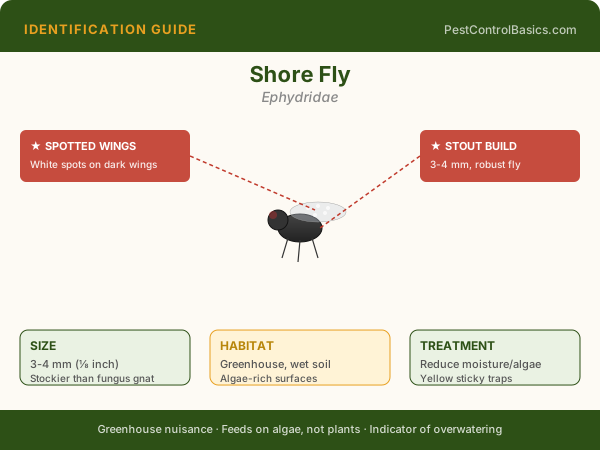
Illustrated identification guide — PestControlBasics.com
🔍 Identification
Adults: 2-3mm; darker than fungus gnats; short antennae; distinctive white spots on wings visible under magnification — this wing pattern is diagnostic. Runs rapidly across surfaces rather than flying weakly (fungus gnat behavior). Larvae: in algae films on wet surfaces, irrigation lines, and growing media surfaces — NOT in potting soil. Found near wet benches, algae-covered surfaces, and moist organic debris.
🧬 Biology & Behavior
Shore fly larvae develop in algae and organic films on wet surfaces — not in soil. Bti (Bacillus thuringiensis israelensis) that kills fungus gnat larvae in soil has no effect on shore fly larvae in algae. The adult wing spots are the fastest field ID: shore fly has clear white spots on dark wings; fungus gnat has uniformly clear wings. Shore flies can mechanically transmit plant pathogens on their feet from algae-contaminated surfaces to plant wounds.
⚠️ Damage & Health Risk
Pathogen transmission from algae to plants; nuisance presence; indication of algae accumulation in production area.
🔧 DIY Treatment
Eliminate algae: clean benches and surfaces with 10% bleach solution; improve air circulation to dry surfaces; use copper-based algaecides on persistent algae; reduce irrigation frequency. These surface management actions eliminate shore fly habitat — Bti soil drench does nothing.
👷 When to Call a Pro
Professional greenhouse management: algae elimination program plus surface sanitization; correct identification before any treatment decision.