🐜 Thief Ant

Solenopsis molesta Β· Hymenoptera: Formicidae

Thief ants are 1mm β€” barely visible. They're frequently confused with pharaoh ants but have different biology and require different treatment. They're also a fire ant relative.

AntTinyThief AntProteinKitchenSolenopsis
🐜
Risk Level
Kitchen Ant
πŸ”¬
PestControlBasics Editorial Team
Reviewed by Derek Giordano Β· Updated 2026
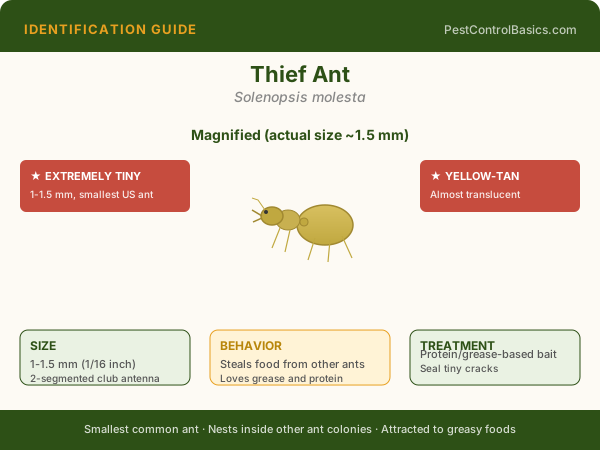
Thief Ant identification guide illustration

Illustrated identification guide β€” PestControlBasics.com

πŸ” Identification

1-1.5mm β€” extremely tiny; yellow to light brown; slow-moving; 2-node waist; 10-segmented antennae with 2-segmented club (vs pharaoh ant's 3-segmented club). Found in large numbers in kitchen areas, following invisible trails to food and grease. Require magnification to distinguish from pharaoh ants.

🧬 Biology & Behavior

Nest outdoors in soil, rotting wood, and inside the mounds of larger ant species (hence 'thief' β€” they steal food from the host colony's brood). Enter structures through tiny gaps seeking high-protein and high-fat foods. Multiple queens, polygyne colony structure β€” cannot be treated with spray (colony splits and relocates). Highly attracted to greasy foods, meat, and cheese.

⚠️ Damage & Health Risk

Contamination of food; difficulty eliminating due to tiny size and outdoor colony location; psychological nuisance in kitchens.

πŸ”§ DIY Treatment

Protein-based bait (not sweet bait) β€” thief ants prefer fats and proteins. Maxforce Quantum or Advion Ant gel placed along trails works well. Seal all food in airtight containers. Do not spray β€” colony will scatter. Locate and treat outdoor nest sites with bifenthrin drench.

πŸ‘· When to Call a Pro

Rarely warranted β€” bait treatment is effective for most infestations.

❓ FAQ

Are thief ants the same as pharaoh ants?
Similar size and color but different species. Thief ants: slower-moving, prefer proteins and grease, 10-segmented antennae with 2-segment club. Pharaoh ants: faster-moving, prefer sweets and proteins, 12-segmented antennae with 3-segment club. Treatment is similar for both β€” protein bait and never spray.
Why do thief ants ignore sweet bait?
Thief ants prefer high-protein, high-fat foods β€” they evolved to steal protein-rich brood from host ant colonies. Sweet baits (Terro) that work on odorous house ants are largely ineffective on thief ants. Use protein-based bait or combination bait like Maxforce Quantum.

πŸ—ΊοΈ Geographic Range & Distribution

FactorDetails
U.S. RangeAll 50 states
Regional DetailFire ants limited to Southeast/Southwest. Carpenter ants: Northeast and Pacific Northwest. Pavement ants: nationwide. Argentine ants: California and South.

πŸ“… Treatment Timing Guide

Treating at the right time dramatically improves results. Pest control timed to the life cycle uses less product and achieves better long-term control.

PeriodAction
February–MarchApply perimeter treatment before spring colonies emerge.
June–AugustPeak foraging season β€” bait stations most effective now.
SeptemberPre-winter perimeter treatment to prevent fall invasions.

πŸ’° Professional Treatment Costs

Service TypeDIY CostProfessional Cost
Initial inspectionFree (self-inspect)$75–$150 (often credited to treatment)
One-time treatment$30–$100 in materials$150–$500
Annual service contractN/A$400–$900/year
Severe infestationOften ineffective alone$500–$2,500+

Prices vary by region, property size, and infestation severity.

❓ Common Questions About Thief Ant

How do I confirm I actually have this pest (not something similar)?
The most reliable confirmation is a physical specimen β€” capture one and compare to reference images on this page. For cryptic pests (bed bugs, termites), look for secondary signs: frass, shed skins, mud tubes, or bites with a specific pattern. When uncertain, a professional inspection is faster than months of misidentification.
Can I treat this myself or do I need a professional?
DIY is effective for small, accessible infestations caught early. Professionals are worth the cost when: the infestation is inside wall voids or structural elements, multiple rooms are affected, you have health-risk pests (hantavirus, venomous species), or DIY has already failed twice.
How long until the infestation is completely gone?
Expect 3–8 weeks for most infestations with proper treatment. Insects with dormant life stages (pupae, eggs) extend the timeline because those stages are impervious to most insecticides. Follow-up treatments at 2 and 4 weeks catch each new cohort as they emerge.
What's the most common mistake people make treating this pest?
Treating only the visible pest population while ignoring the harborage site, entry point, or breeding location. Killing adults provides temporary relief but the population rebuilds from hidden egg cases, pupae, or new arrivals through unaddressed entry points.

πŸ“š More on This Topic

Related guides and profiles:

πŸ”— Hantavirus β€” Safe Rodent CleanupπŸ”— Red ImportedFire AntπŸ”— Pavement, Odorous House, Argentine & Little Black AntsπŸ”— 🐜 Odorous House Ant (OHA)
πŸ“š Sources: Texas A&M Fire Ant Project Β· EPA Safe Pest Control
Published: Jan 1, 2025 Β· Updated: Apr 7, 2026

πŸ—ΊοΈ US Distribution β€” Thief Ant

image/svg+xml
Common Occasional Not Present
States Present
14
Occasional
11
Primary Region
Southeast US
πŸ“Š Source: University extension services, USDA, CDC vector data, and published entomological surveys.