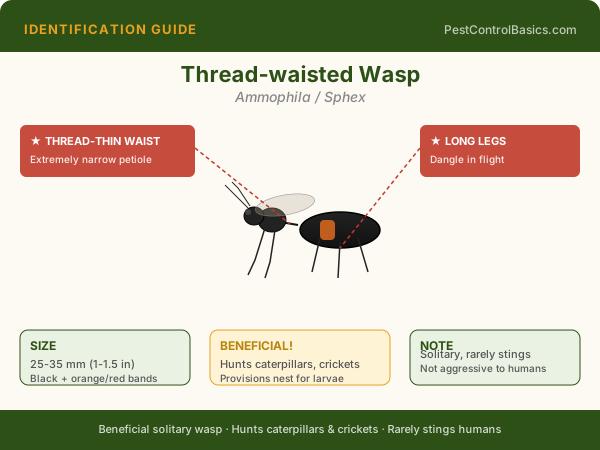
Illustrated identification guide — PestControlBasics.com
🔍 Identification
Adults: 20-40mm; distinctive extreme petiole (waist) — sometimes as thin as a thread, an elongated tube connecting thorax to abdomen; black with orange markings in many species; long antennae. Found foraging on flowers and hunting on bare ground. Named for the elongated petiole structure.
🧬 Biology & Behavior
Thread-waisted wasps are solitary hunters that provision underground burrows with paralyzed prey — caterpillars (Ammophila species) or crickets and grasshoppers (Sphex species, the 'digger wasps'). Females sting prey to paralyze but not kill, then place it in the burrow as fresh food for developing larvae. Males feed on nectar.
⚠️ Damage & Health Risk
Zero negative impact. No colony to defend means effectively zero sting risk unless directly handled. They're beneficial predators of caterpillars and orthopteran pest insects. Their nesting in bare ground is sometimes mistaken for a pest problem.
🔧 DIY Treatment
No treatment warranted. If you're finding them in your garden: welcome them. They're eliminating caterpillars and grasshoppers. The nest entrances in bare ground are easily avoided.
👷 When to Call a Pro
Never warranted.