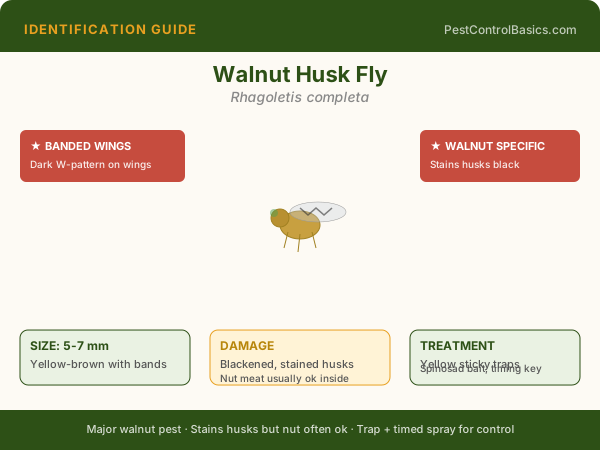
Illustrated identification guide — PestControlBasics.com
🔍 Identification
Adults: 5-7mm; yellowish-brown; distinctive banded wings; yellow spot on thorax. Larvae: creamy-white maggots in walnut husks. Damage: black discolored husks; stained shells; reduced kernel quality; early nut drop. Found on: English walnut (Juglans regia) primarily; also on black walnut and butternut.
🧬 Biology & Behavior
Adults emerge from soil in July-August (California) or August-September (other states). Pheromone traps catch first adults — egg-laying begins 7-10 days after first trap catch. Eggs are laid under the husk surface. Larvae tunnel through the husk for 3-5 weeks. Mature larvae drop to soil to overwinter as pupae. One generation per year.
⚠️ Damage & Health Risk
Black, rotted husks; shell staining reducing market value; kernel damage in heavy infestations; premature nut drop.
🔧 DIY Treatment
Pheromone traps (Walnut Husk Fly lures) to monitor adult emergence — available from garden suppliers. Spinosad spray applied 7-10 days after first trap catch and repeated 2 weeks later. Kaolin clay as deterrent. Collect and destroy fallen nuts before larvae exit.
👷 When to Call a Pro
Commercial walnut: pheromone trap network plus GF-120 spinosad bait spray timed to degree-day predictions.