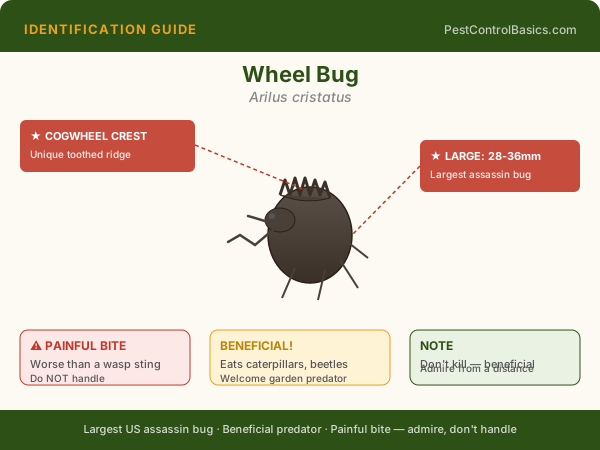
Illustrated identification guide — PestControlBasics.com
🔍 Identification
Adults: 28-36mm — large for a true bug; grey-brown; distinctive gear-wheel-like crest on the thorax with 8-12 cogs — completely unmistakable; long curved beak (rostrum) under the head. Found on trees, shrubs, and in gardens. Slow, deliberate movement.
🧬 Biology & Behavior
Wheel bugs are apex insect predators — they prey on caterpillars, aphids, beetles, and even other large insects. They seize prey with front legs, stab with the rostrum, inject paralytic and digestive saliva, and feed. A single wheel bug can eliminate significant caterpillar pressure in a garden. They're associated with good garden ecosystem health.
⚠️ Damage & Health Risk
Wheel bugs CAN bite defensively if handled — the bite is described as among the most painful insect bites in North America (2-3 times worse than a bee sting, persisting for hours). Zero damage to plants or structures.
🔧 DIY Treatment
No treatment needed. Don't handle. Enjoy their pest control services — a wheel bug in your garden is consuming caterpillars, Japanese beetles, and other pests.
👷 When to Call a Pro
Never warranted — highly beneficial predator.