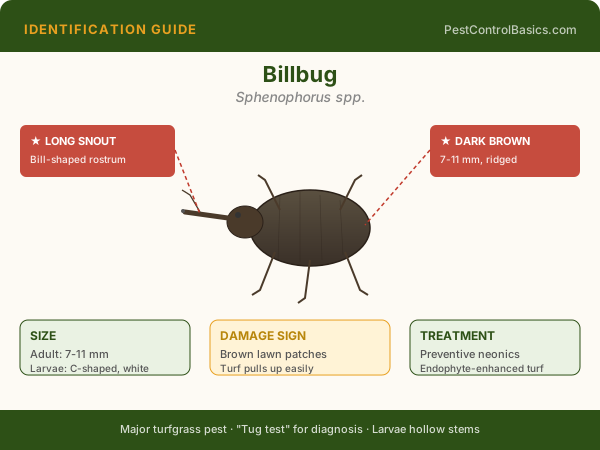
Illustrated identification guide — PestControlBasics.com
🔍 Identification
Adults: 10-18mm; dark brown to black; elongated snout (weevil); slow-moving; found on turfgrass stems and soil surface. Larvae: 15-20mm; legless (unlike white grubs which have legs); cream-colored; found at the base of grass stems and in thatch. Damage: turf pulls up in chunks (not rolled like carpet), with the characteristic fine sawdust-like frass in the thatch zone.
🧬 Biology & Behavior
Adults emerge in spring and walk (not fly) to suitable turf areas to lay eggs. Females chew into stems to lay eggs. Young larvae feed inside grass stems before moving into the soil. The turf-pulling diagnostic: if you can twist individual grass plants and they pull out at the base with frass present, that confirms billbug (not white grub).
⚠️ Damage & Health Risk
Irregular dead patches that pull up in chunks; stem-level damage visible as tunneled stems in affected plants; fescue and zoysia are particularly vulnerable; damage appears mid-summer through fall.
🔧 DIY Treatment
Apply imidacloprid or clothianidin in May-June targeting newly hatched larvae before they burrow deep. The treatment window is April-June — much earlier than for Japanese beetle grubs. Billbugs require earlier treatment because larvae are larger and deeper by summer.
👷 When to Call a Pro
Large turf areas with annual billbug damage benefit from professional diagnostic confirmation and precisely timed spring treatment.