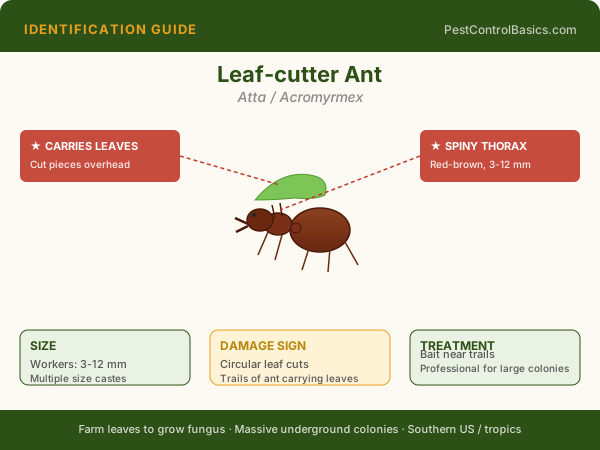
Illustrated identification guide — PestControlBasics.com
🔍 Identification
Large workers: 6-12mm; reddish-brown; distinctive spines on thorax; carrying large circular leaf fragments overhead (like a parasol) in visible columns. Trails: well-defined, 2-4 inch wide cleared trails leading to nest entrance. Nest: large mound with multiple entrances and defoliated area around it. Found in Texas, Louisiana, and southward.
🧬 Biology & Behavior
The colony harvests plant material exclusively for feeding their underground fungus garden (Leucoagaricus species). They don't eat the leaves — they eat the fungus grown on them. This fungal symbiosis is one of the most complex in nature. Colonies can contain millions of workers and survive for decades.
⚠️ Damage & Health Risk
Rapid defoliation of ornamental plants, citrus, and landscape trees; significant damage to new plantings; clearly visible clean-cut leaf margins; cleared foraging trails through lawn and landscape.
🔧 DIY Treatment
Apply fipronil (Taurus SC) or bifenthrin granular bait directly into mound entrances. Texas Extension recommends Amdro Ant Block (hydramethylnon) granules applied to foraging trails. Dusting mound entrances with deltamethrin or permethrin dust. Repeat applications needed for large colonies.
👷 When to Call a Pro
Large leafcutter ant colonies in Texas landscapes often require multiple professional treatments for significant reduction.