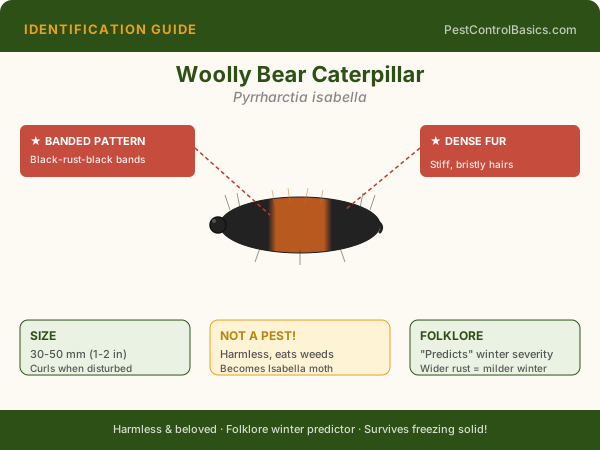
Illustrated identification guide — PestControlBasics.com
🔍 Identification
50-65mm at maturity; dense banded pattern of black ends and rust/orange middle section; stiff bristle-like hairs (setae). Found crossing roads and open ground in September-October as they search for overwintering sites under bark and leaf litter. Adults (Isabella tiger moth): yellow-orange wings with small black spots; 45-65mm wingspan.
🧬 Biology & Behavior
Woolly bears feed on a wide variety of low-growing plants including grasses, clover, nettles, and plantain. They overwinter as larvae — uniquely freeze-tolerant (produce glycerol antifreeze proteins). In spring, they complete one more feeding period before pupating. One generation per year.
⚠️ Damage & Health Risk
Zero negative impact. Their bristle hairs can cause mild skin irritation in some people if handled — not venomous. Their 'winter prediction' function (wider rust band = milder winter) has no scientific validity.
🔧 DIY Treatment
No treatment needed or appropriate. Welcome them in your yard.
👷 When to Call a Pro
Never warranted.